FrontStreet Coffee found the following content related to "good looking" for you
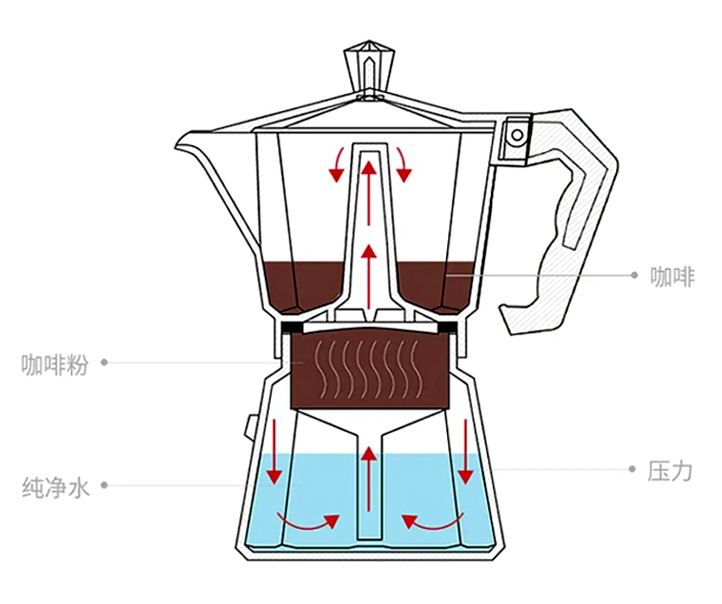
For those who are new to Moka pots, it is not recommended to buy all kinds of beans right away. Start with a bean that has a clear flavor and is not unpleasant to taste no matter how you cook it, fix the amount of powder and firepower, drink a dozen pots first, and figure out "what you like", which is much more useful than collecting a bunch of beans. The principle of Moka pot is to lower the pot
Read more →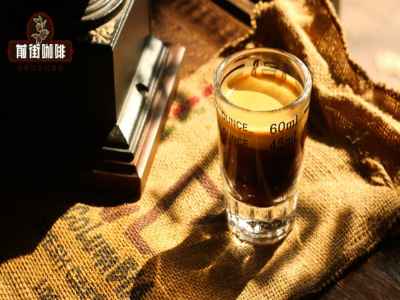
With the miniaturization of some high-performance coffee machines, their positioning attributes for home use have become more and more obvious, and many friends have also entered the pit of Italian coffee. Therefore, Front Street would like to share some common problems when making espresso at home. 1. Purchase coffee powder. Some friends think that the machine is the most important when making Italian coffee. A good machine can
Read more →
When making Italian coffee, beans determine the lower limit. Whether the espresso tastes good, whether the latte art goes smoothly, and whether the milk coffee blends well or not, largely depends on the Italian beans you choose. Today’s article will not talk about metaphysics, but will explain Italian bean selection clearly from the three dimensions of oil, recipe, and scene. Fat: Espresso, the "face" of Italian beans
Read more →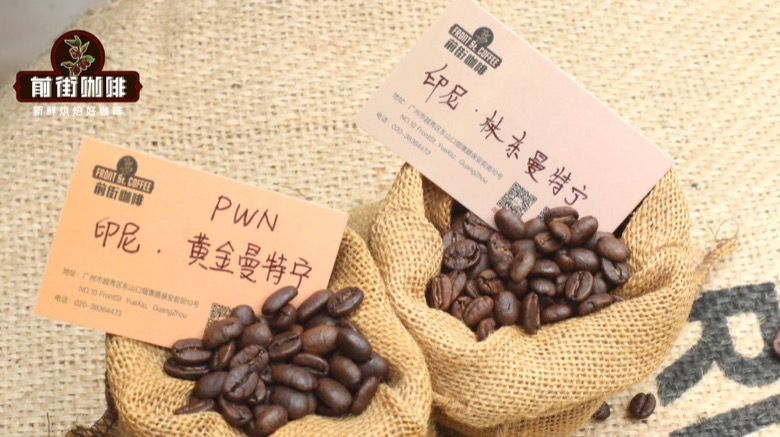
The complete flavor of a cup of coffee includes aroma, sweetness, body, mouth feel and finish. Sour and bitter are just two of them. When choosing beans, first make sure you want floral and fruity aroma, nutty cocoa or balance, and then look for the answer in the production area, processing method and roasting degree. The performance of a bean in hand brewing depends on the production area, variety, and location.
Read more →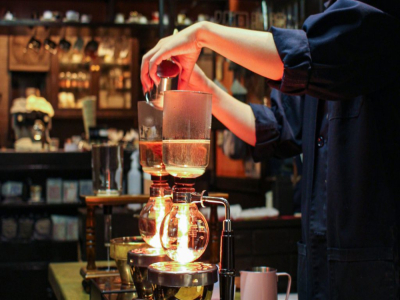
The siphon pot, which looks like an experimental device, is a coffee brewing tool that uses the pressure changes caused by steam and the siphon principle to extract coffee. First appearing in Europe, the trademark registration of the siphon pot is owned by a French woman, Marie Fanny Amelne Massot.
Read more →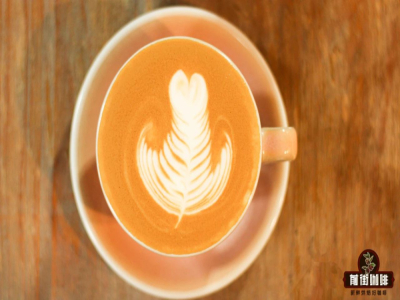
Today, Front Street will share a new basic latte pattern - "Leaves"! This time, the method of the leaf pattern is almost the same as that of the Thousand Layer Heart. Both patterns are formed by swinging the milk vat at a uniform speed to create regular and symmetrical lines. If you have learned the Thousand Layers Heart, then it is equivalent to the leaves being in the bag. leaves
Read more →
For more knowledge about specialty coffee, please pay attention to: Frontsteet Coffee Friends who are interested in coffee may do this when choosing coffee. They will first enter the coffee brand rankings, thinking that the brand with a high ranking must be a good coffee. Actually it is not the case
Read more →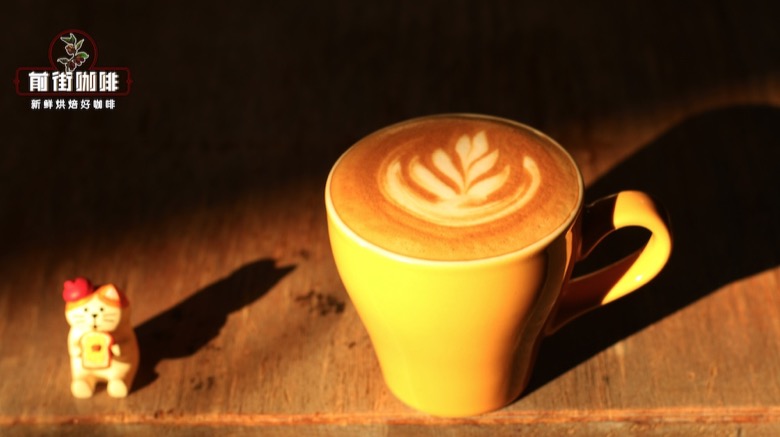
The drinking scene is the coordinate system for selecting beans: with or without milk, hand-brewed or machine-made. These two dimensions should be determined first. Then there will be a reference for the selection of roasting degree, flavor thickness and brewing method, so it is not easy to buy in the wrong direction. The taste you like is one thing, the difficulty of controlling it is another. It is more practical to think about the two separately. Floral and fruity beans
Read more →
There are many ways to brew coffee, such as: French press, siphon, pour-over, Italian, cold brew, American, etc. There are also many names, especially in some places where the names are different. Next, Front Street will talk about the differences between these types of coffee. These types of coffee are also relatively common among everyone. For example: Americano, Lo
Read more →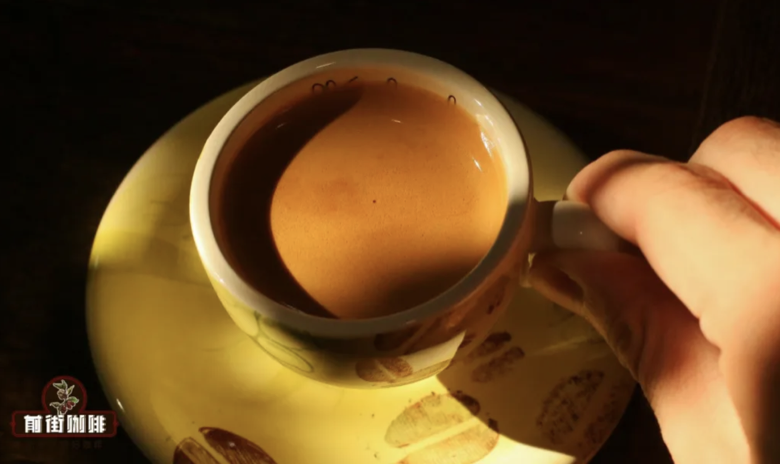
The crema of espresso, the golden layer of dense foam floating on the surface of the concentrate, is the visual business card of a good cup of coffee. Whether the fat is thick or not and the texture is uneven, directly affects the latte art effect and concentrated taste level of the latte. If you choose the right beans, the oil will be basically guaranteed. Blend base beans are the basis for oil expression. spell
Read more →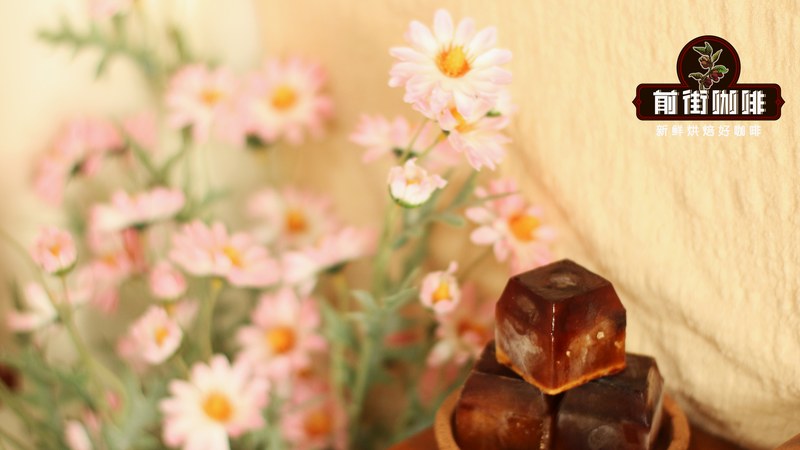
A cup of coffee goes through grinding and extraction from the bean to the mouth. When faced with delicious espresso beans, it is more straightforward to first think about the flavor you want to have in the cup than to start with the name on the package. First confirm the commonly used utensils and the taste you like, and then compare the specific beans. The actual operation will be more directional. Baking date will also be
Read more →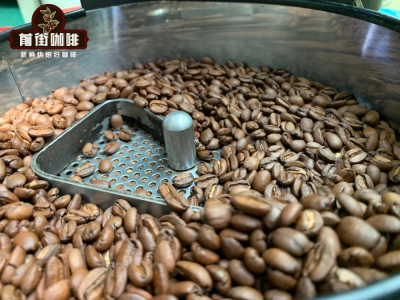
The bitterness of coffee varies depending on the degree of roasting. Of course, the original characteristics of the bean are also included, but this can be controlled to a certain extent through roasting. Here, let’s look at how the “bitterness” of coffee beans changes depending on roasting conditions. First of all, coffee is not bitter. We usually see coffee beans in a roasted state. brown
Read more →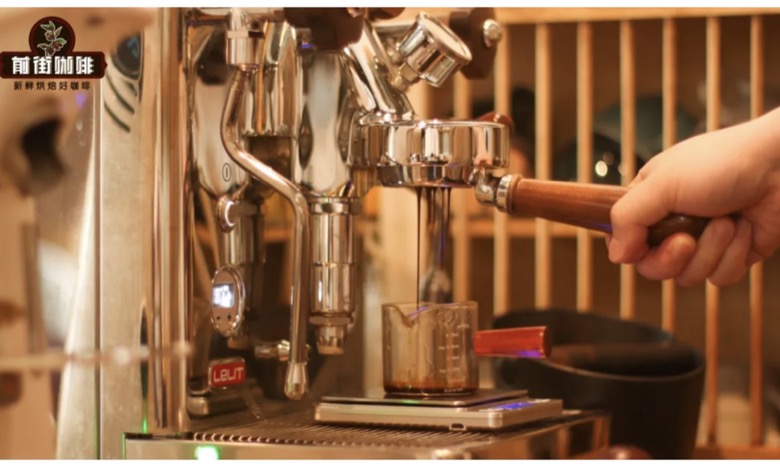
Home semi-automatic espresso machines are the starting point for many coffee lovers. After buying the machine, the next step is to select beans. Home machines are different from commercial machines, and the extraction conditions are limited. The idea of selecting beans must also be adjusted accordingly: first ensure that the daily ration is delicious and stable, and then gradually advance to try more interesting beans. daily rations
Read more →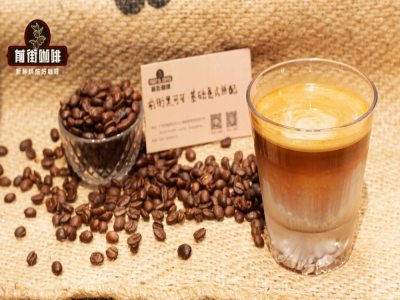
Since the materials used to make Dirty and Iced Latte are the same, both are iced milk and concentrate, and their appearance is similar, and they both have a layered structure created by milk and concentrate. Therefore, I am often asked by customers and friends drinking iced latte on Qian Street: "Both are iced milk and condensed milk, Dirty and
Read more →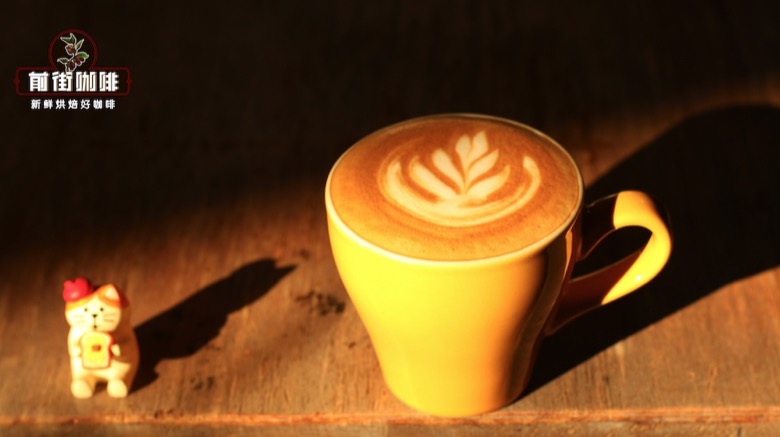
After drinking it, the direction of selecting beans will be clear. When drinking black coffee, you need beans with a good aroma and sweetness that can support a cup alone; when drinking milk coffee, you need beans that are thick and thick enough to not be covered after adding milk. Think of black coffee and milk coffee separately, and you won't have to worry about choosing beans. "It tastes good" and "it goes well" are not necessarily the same thing.
Read more →
Mellowness does not only mean heavy bitterness, but also weightiness in the mouth and mellow sweetness. After drinking, there is still a cocoa, nut or caramel-like aftertaste in your mouth. When choosing coffee beans, you can first imagine when it will appear: with breakfast, rushing out, during work breaks, or slowly sipping after dinner, and then look for the rhythm.
Read more →
Robusta, generally known as Robusta, is considered very unpleasant to drink and difficult to swallow, but it still contributes nearly 30% of global production. Let Front Street introduce and share Luo Dou’s story with you! For a long time, people's favorite coffee originated in the border area between Ethiopia and Sudan.
Read more →
In the past, when we bought food, we would pay attention to the production date and then the shelf life, because it is common sense to try not to eat food that has passed its shelf life. But when it comes to coffee beans, the production date also refers to the roasting date, which is the time when the green coffee beans are roasted. But we pay attention to this baking date.
Read more →
First of all, espresso beans are obviously the beans used in espresso machines. In the past, it may generally refer to blended beans, but not anymore. Now not only blended beans can be used to make espresso beans, but single-origin coffee beans can also be used to make espresso beans. Let’s first look at what bean blends are. Blended beans are a combination of various
Read more →
Espresso is just one of the coffee extraction methods. No matter what kind of coffee is used, as long as the coffee is made with an espresso machine, it can be called espresso. As long as it tastes good, it doesn't matter if it's single-plant coffee or mixed-bean coffee, or light-roasted coffee or dark-roasted coffee.
Read more →Be the first to know about new bean releases, brewing tips, promotions and cupping notes

Scan to Follow Front Street Coffee on WeChat
